
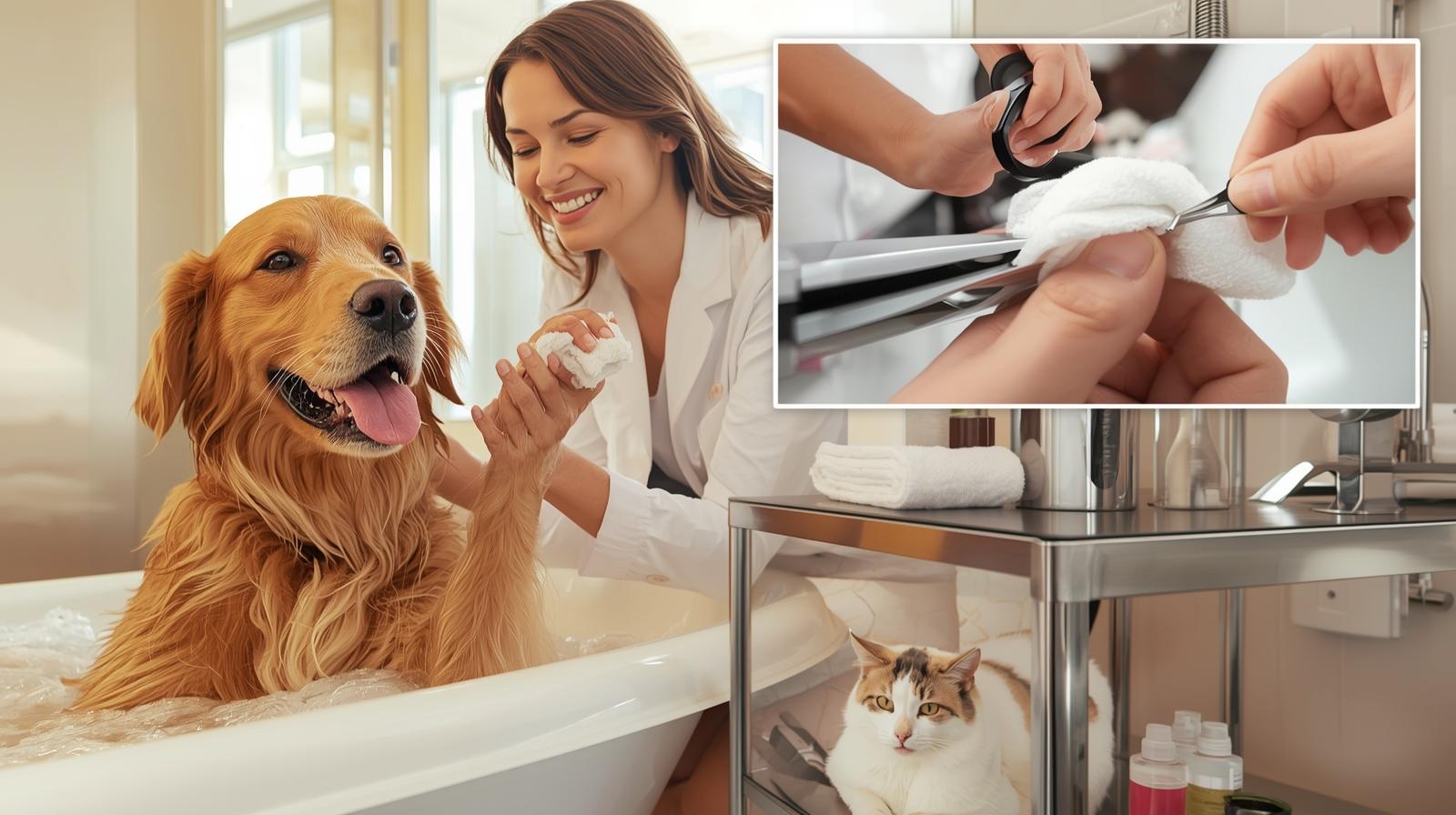
DIY Grooming Tips for Your Dog or Cat

Admin
Blog AuthorIntroduction
One of the greatest tasks of any type of pet owner is to keep your pet clean and healthy. You can keep your dog or cat clean and comfortable, as well as deepen your relationship, with the help of DIY grooming tips that will allow you to take care of your pet without having to send it to a professional groomer regularly.
Most people who keep pets think that grooming has to be done with costly salons or special equipment. Nevertheless, it is possible, and safe, to groom your dog or cat at home with the appropriate manner and a couple of necessary tools.
In addition, grooming on a regular basis decreases shedding, avoids skin complications, and makes you spot problems with health early.
This is a real world guide where you will get to know the practical home grooming styles, recommendations by the professionals, mistakes, which must be avoided, and effective tips that will make pet grooming simple and safe.

The Benefits of DIY Grooming to Dogs and Cats
Frequent grooming does not only involve having a good-looking pet. As a matter of fact, it contributes significantly to their well-being and health.
Maintains a Better Skin and Healthier Shinier Coat
With brushing, dirt and loose fur and dead skin are removed. It also activates natural oils which make the coat shiny and healthy.
Reduces Excess Shedding
Regular grooming will save a lot of loose hair at your place. It, therefore, also reduces allergens in your environment.
Identifies Health Problems Centrally
During grooming, you might observe:
- Skin infections
- Such parasites as fleas or ticks
- Lumps or unusual swelling
Early treatment enables you to see the doctor earlier.
Saves Money
Grooming sessions are expensive among professionals. Thus, by knowing simple DIY grooming, long-term costs may be minimized.
Enhances Your Relationship with Your Pet
Grooming makes you develop trust with the pet. This habit is eventually a good and stress-free one.

Grooming Tools that are Necessary to Dogs and Cats
It is necessary to have the right tools before beginning any grooming process. Safety and efficiency are provided by the use of the right equipment.
Basic Pet Grooming Kit
The grooming kit ought to contain a beginner-friendly one and it should include:
- Pet brush/ comb (according to the type of coat)
- Pet-safe conditioner and shampoo
- Nail polish remover or nail remover
- Ear cleaning solution
- Pet toothbrush/ Pet toothpaste
- Microfiber towels
- Pet grooming scissors
As an example, pets with long hair need slicker brushes whereas animals with short hair would do better with bristle brushes.
Step-by-Step DIY Grooming Tips
Brushing Your Pet's Coat
The basis of any grooming habit is brushing.
How to brush properly:
- Begin to brush on your head to the tail.
- Take it very slowly and gently with gentle strokes so that nothing pulls out the hair.
- Keep a watch out on parts that tend to be matted such as behind the ears and under the legs.
Besides, the frequency of brushing is dependent on the type of coats:
- Short haired pets: every one or two times a week.
- Medium coats: 3–4 times per week.
- Long hair breeds: Everyday brushing.
Brushing regularly will help to remove tangles as well as leave the hair smooth.

Bathing Your Dog or Cat
Washing will clean regularly your pet coat of the dirt, smell and bacteria. Nevertheless, natural oils can be washed away by excessive bathing.
Safe bathing steps:
- Use lukewarm water.
- Only pet-friendly shampoo is to be used.
- Massage gently into the coat.
- Wash extensively in order to get rid of residue.
- Wipe it with a towel or dryer.
Generally:
- The dogs should be bathed after every 4–6 weeks.
- Cats tend to clean up and thus, a bath is required, rarely.
Nail Trimming
Long nails may be quite uncomfortable and even have the effect of changing the walking position of your pet.
Tips for safe nail trimming:
- Use sharp pet nail clippers.
- Trim only the tip of the nail.
- Do not cut the quick that is the tender inner part.
- Trim some of your pets nails instead of all of them at once in case they are anxious.
Cleaning Your Pet's Ears
The ears may also be dirty which may cause infections to the ear especially in dogs with floppy ears.
Proper ear cleaning method:
- Use ear cleaner, which should be recommended by a doctor.
- Do not use cotton swabs, use cotton pad.
- Wipe the part of the ear which can be seen.
Moreover, keep an eye on such warning signs as redness, bad smell, or scratching.

Maintaining Dental Hygiene
Dental treatment is not always given attention. Nonetheless, bad breath and gum disease may be caused by poor oral hygiene.
Simple pet dental routine:
- Clean the teeth of your pet 2–3 times a week.
- Use pet-specific toothpaste.
- Present mouth sweets or chewing gum.
Regular dental care is very important in enhancing oral health as time goes on.
Breed Grooming Depending on the Type of Coats
Various breeds cannot be groomed using similar approaches.
Short-Haired Pets
- Brush once a week to get rid of loose hair.
- Shedding Control Rubber brushes should be used to ensure good shedding.
- Once a month is enough to take a bath.
Long-Haired Pets
- Matting is precluded by brushing every day.
- Have the fur trimmed around the paws and sanitary places.
- Apply detangling sprays where needed.
Double-Coated Breeds
Undercoated breeds need:
- Undercoat rake tools
- The control of shedding seasonally
- Intense brushing at the shedding periods

Simple DIY Grooming Follies to Evade
Even the old-hand pet owners still make grooming errors. It is possible to avoid such mistakes because of keeping your pet safe.
Using Human Products
Shampoos that are used by humans irritate the skin of your pet. So, it is always good to use pet-specific grooming products.
Bathing Too Frequently
Over bathing washes away natural oils which may result in dry skin.
Ignoring Matting
Matting that is severe may create irritation and pain to the skin. Mats should therefore be treated at an early stage.
Cutting Nails Too Short
When one cuts into the quick, it causes blood and pain.
Skipping Regular Grooming
Irregular grooming leads to:
- excessive shedding
- tangled fur
- skin problems
Consistency is key.
Safe Grooming Tips by the Experts
These are some of the best practices that are suggested by professional groomers and veterinarians.
Create a Calm Environment
Find a secluded environment, which you are sure your pet is safe in.
Start Grooming Early
Bring in grooming habits when the pets are young and get used to it.
Use Positive Reinforcement
Give your pet a reward of some sort or compliment them after grooming.
Observe Your Pet's Behavior
In case your pet is stressed, stop and resume at a later stage.
Finally, patience and consistency would ensure that grooming is not a difficult task to you and your pet.
Other Ideas of a Stress-Free Grooming
To make grooming fun, the following ideas may be used:
- Play with your pet and groom him or her in a relaxed state.
- Mutual grooming sessions have to be brief.
- Talk slowly during the communication.
- Associate positively using treats.
In the meantime, gradual training assists the pets to adjust to grooming processes over time.

Conclusion
Self grooming of pets is a vital aspect of caring about pets. When using the appropriate DIY grooming guidelines to your dog or cat, it is possible to keep your pet neat, comfortable, and healthy and to visit the groomer not as often.
Besides, home grooming is a cheaper and more intimate experience with your pet. Small habits such as brushing and bathing, nail trimming, and dental hygiene make a tremendous difference in the long-run perspective.
Finally, the secrets of successful home grooming are patience, relevant tools and consistency.
Grooming may be more than a maintenance procedure when it is performed properly, it is actually a form of relaxation that keeps your hairy friend happy and healthy.